

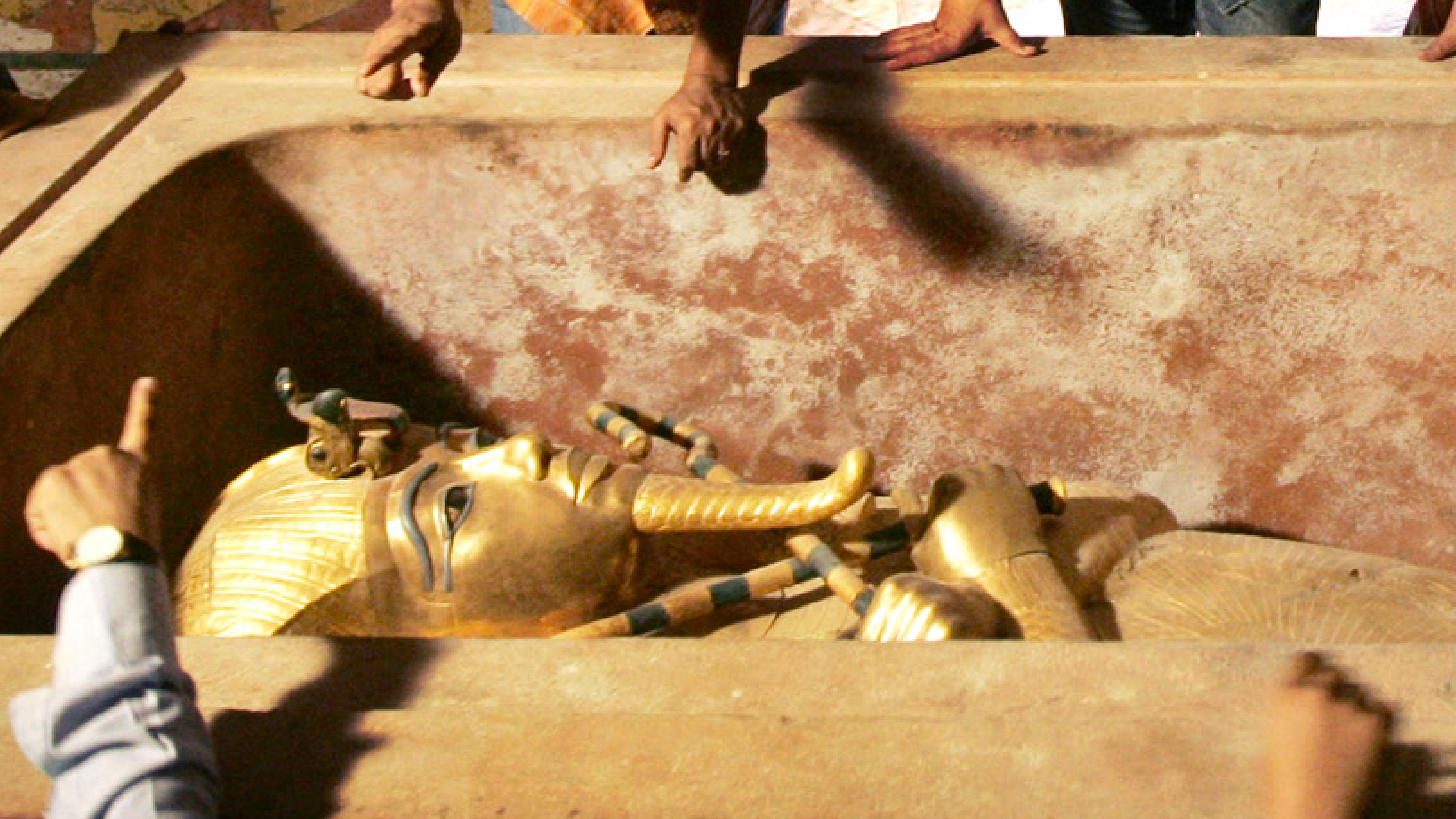
There is a legend that anyone who trespasses into a pharaoh’s tomb will be cursed, with the first unfortunate victim being Lord Carnarvon, a member of the archaeological team that first discovered the young Pharaoh Tutankhamun’s tomb on 4 November in the Valley of the Kings. Rumors say Lord Carnarvon died about five months after the discovery from blood poisoning. It is said that when he died at a hotel in Cairo, his dog howled and died soon after. Following his death, there were ongoing reports of deaths among visitors to the tomb, including an American financier who visited in 1923 and died from pneumonia within months, and Sir Bruce Ingham, who received a bracelet souvenir from Howard Carter; shortly after, his house burned down, though he survived. As he rebuilt, his new home was damaged by flooding. Additionally, three others who visited Tutankhamun’s tomb also died, fueling widespread speculation about the so-called "curse of Tutankhamun’s tomb." Tags: [Tutankhamun, Tomb Discovery, Pharaoh's Curse, Lord Carnarvon, Archaeology]
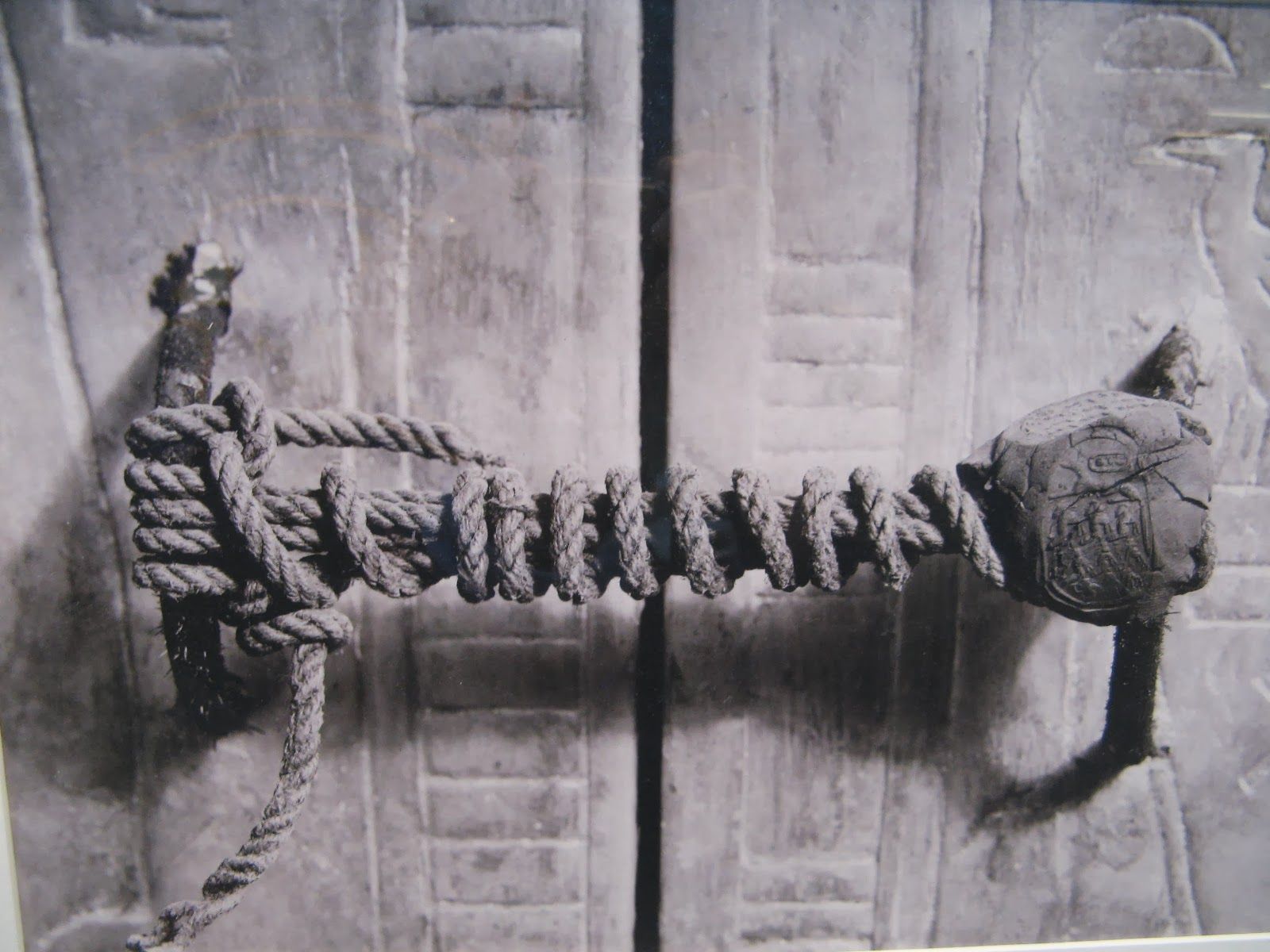
Tutankhamun’s tomb is one of the most famous archaeological sites, excavated by Howard Carter and Lord Carnarvon. The team searched for the tomb of Tutankhamun, a pharaoh who died at only 18 years old. Although many excavations had been conducted in the Valley of the Kings, including the discovery of Pharaoh Ramesses VI’s tomb, on 4 November the team found stairs leading to Tutankhamun’s tomb for the first time. After continuous excavation until 26 November, Carter, Carnarvon, and their team found a hall that remained perfectly preserved—an extraordinary and rare find, as many pharaohs’ tombs had been looted in the past, evidenced by clay seal ropes on the tomb door. A story recounts that after entering the tomb, a cobra, symbolizing Egyptian royalty and depicted sitting on the throne, slithered into Carter’s home and ate the canaries he kept.
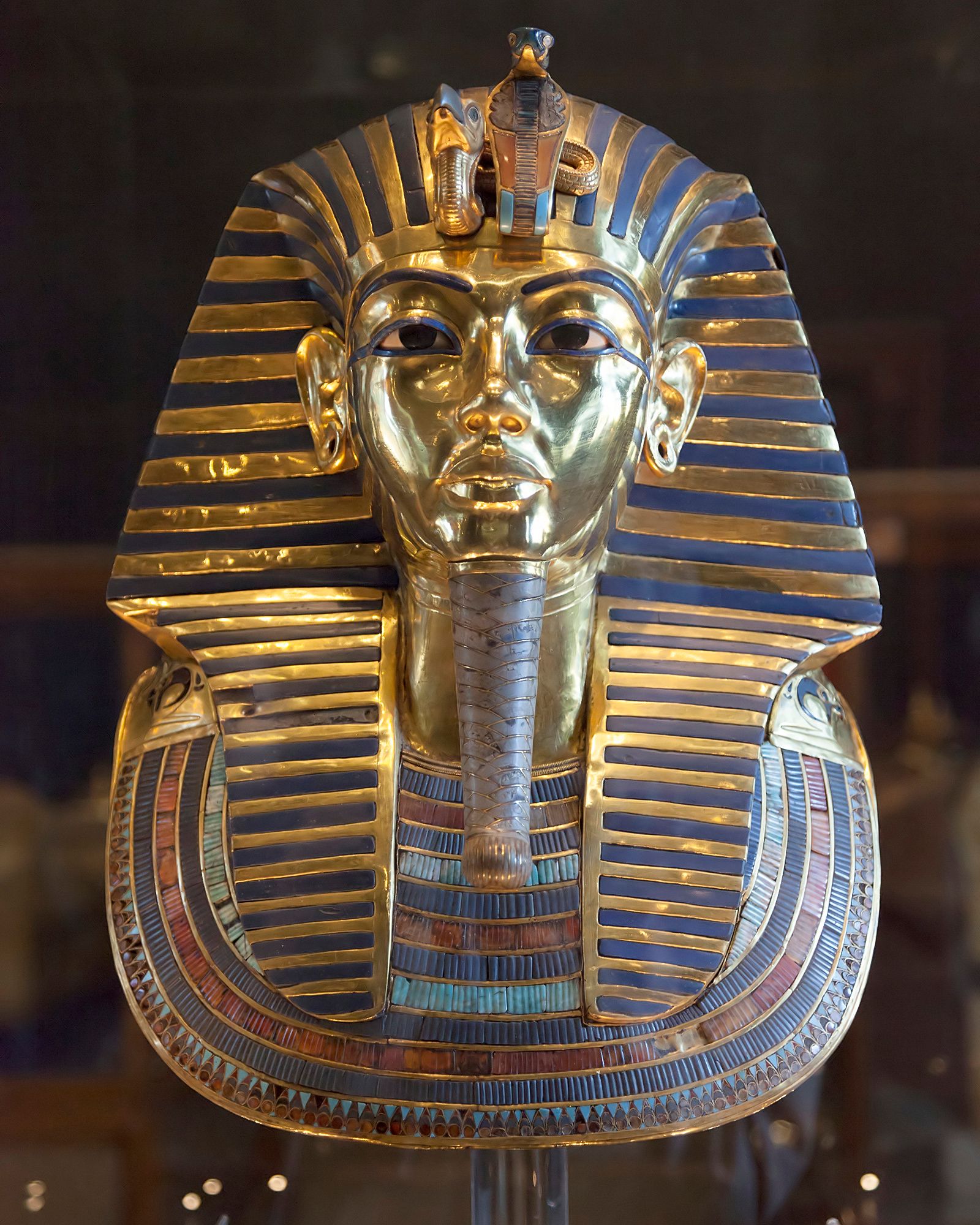
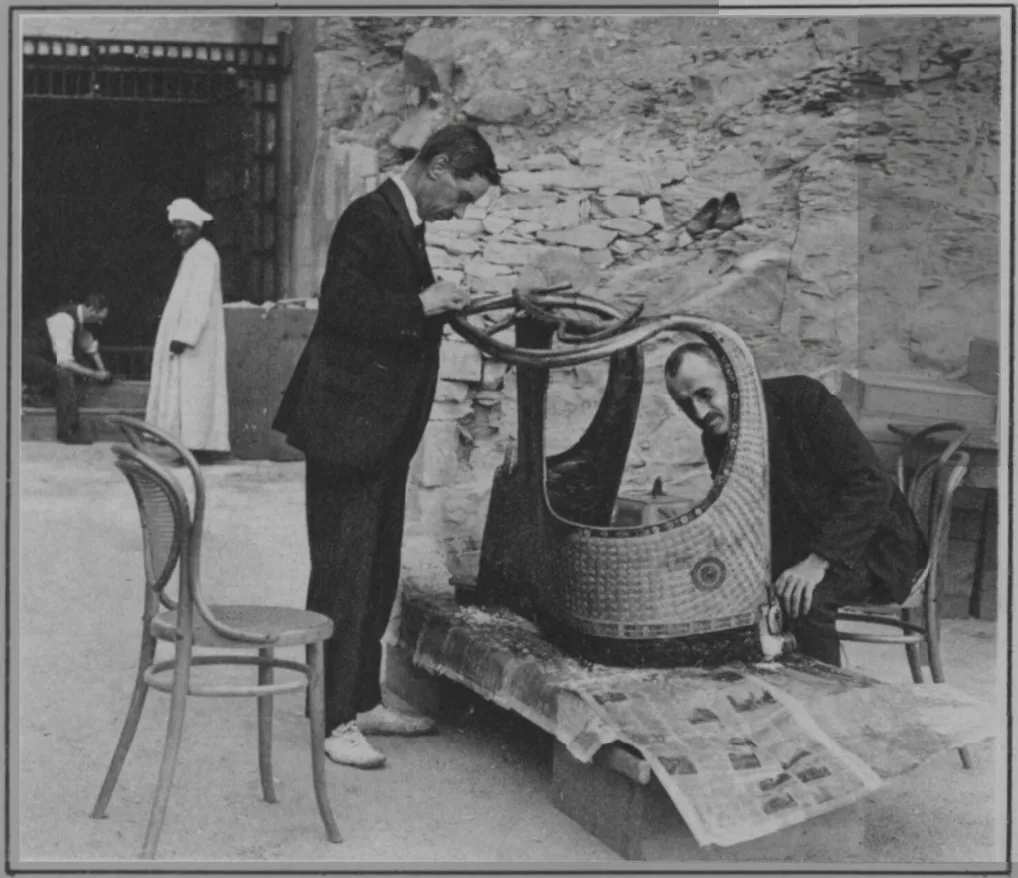
The archaeological team discovered a tomb divided into four chambers, containing about 5,000 ancient artifacts untouched for 3,000 years. These included six disassembled chariots, bows, and armor. The burial chamber housed a triple coffin: two outer wooden coffins and an innermost coffin made of 109 kilograms of gold enclosing the mummy of Tutankhamun lying flat, covered by a golden mask extending from the face to the shoulders. This mask is one of the most beautiful and best-preserved ever found. Attached to the body were two daggers made from meteoric iron, far more valuable than gold. There were also items the ancient Egyptians believed the deceased would need in the afterlife, such as 130 walking sticks (Tutankhamun suffered from clubfoot, making walking difficult), the Senet board game, musical instruments, fine linen clothing, vast quantities of food, and wine. Among the most remarkable items was a golden throne, an exquisite work by carpenters and goldsmiths, decorated with paintings of Tutankhamun being anointed with perfume by his wife Ankhesenamun, under the sunlight of the god Aten.
Tutankhamun was the 18th dynasty pharaoh of Egypt, ruling for nine years from 1332 to 1323 BCE. He ascended the throne at age nine amid turmoil caused by his father Akhenaten. He suffered from multiple health issues, including a cleft lip, spinal curvature, clubfoot requiring walking sticks, and malaria at various times. He died at only 19 years old. A theory suggested he was assassinated by a blow to the back of the head based on rough scans showing a dent there. It was also believed he had no heirs because two advisors sought to become pharaoh by marrying his wife. However, in 2005, CT scans revealed that Tutankhamun’s actual cause of death was a bone infection in the leg caused by a weakened immune system. The dent was caused by excavation teams chiseling the gold mask off the mummy’s face.
How credible is the story of the curse?
Certainly, the pharaoh’s curse is not real and is merely a rumor spread by news agencies fabricating the phrase "Death will swiftly visit those who disturb the peace of the pharaoh." This caused public fascination and led to the mystery being passed along rather than exposing the truth. Deaths among visitors to the tomb are better explained by immune system weaknesses and the lack of antibiotics in 1922—penicillin and other antibacterial drugs had not yet been discovered. For example, Lord Carnarvon died from an infection caused by a mosquito bite with no available treatment. Other deaths resulted from preexisting illnesses, and fungi within the tomb could cause respiratory infections in Western visitors. Toxic gases lingering inside the tomb also contributed to health risks.
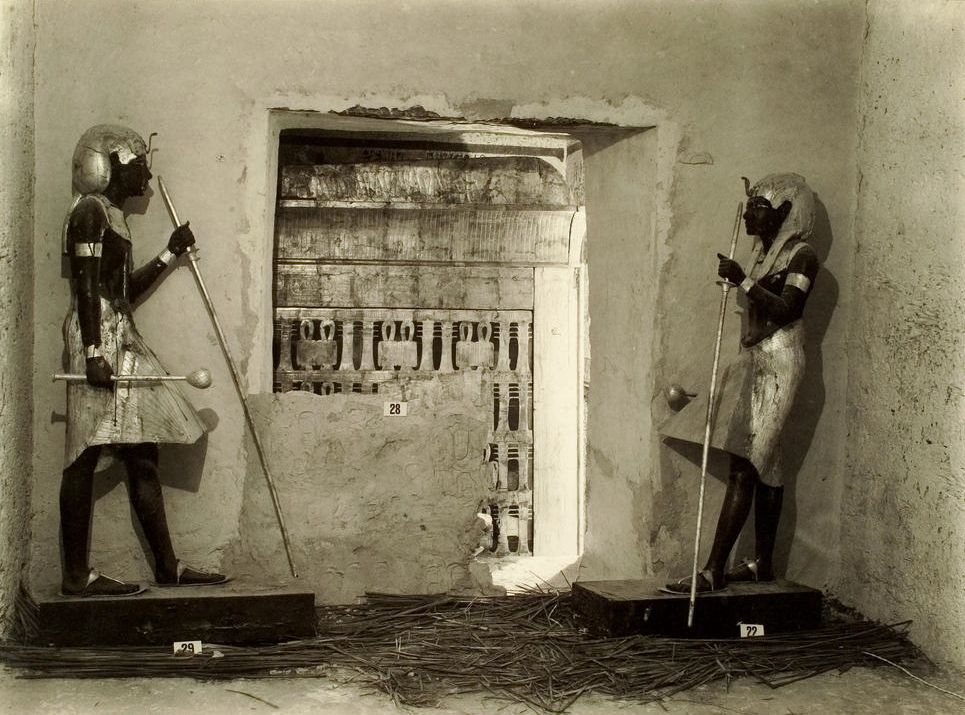
The discovery of Tutankhamun’s tomb is extremely important for studying an undisturbed burial site since the funeral rites. Over 5,000 artifacts (now displayed at the Grand Egyptian Museum in Giza, Egypt) provide valuable information for historians to study ancient Egyptian culture, beliefs, and history. During a time when newspapers and publishing were popular, a global Egyptomania phenomenon arose. The story of the pharaoh’s curse inspired films such as The Mummy (1999), a beloved movie about ancient Egypt that inspired many to pursue careers in archaeology and Egyptology.
References: